BLOG
Custom Office Partitions in Quezon City: Tailored to Your Needs
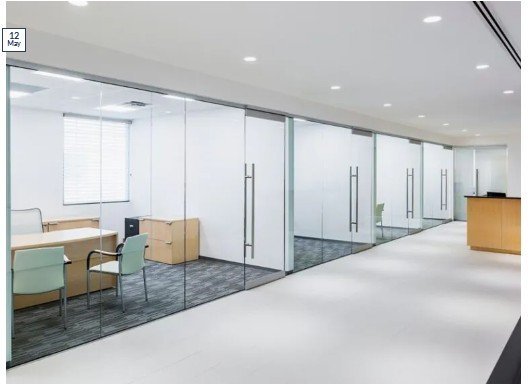
In today’s modern work environment, optimizing office space has become crucial for both productivity and employee well-being. One of the most effective ways to divide and manage office space is through the use of Office Partitions. These partitions offer more than just physical barriers; they also enhance privacy, reduce noise, and improve the overall aesthetics of a workspace. In this blog, we will explore the significance of office partitions and how they can contribute to a more efficient and organized office environment.
Why Office Partitions Are Essential for Modern Offices
The traditional open-plan office layout has its advantages, such as encouraging communication and teamwork. However, it also comes with its challenges, such as noise distractions and lack of privacy. This is where office partitions come into play. By incorporating partitions into the office design, businesses can strike a balance between collaborative space and private work areas. These partitions are an essential tool for creating an environment that fosters both creativity and focus.
Enhancing Privacy and Personal Space
One of the most significant benefits of using office partitions is the ability to provide employees with a sense of privacy. In an open-plan office, employees can often feel exposed, making it difficult to concentrate on tasks that require deep focus. Office partitions create personal workspaces that allow individuals to work without distractions, while still being part of the larger team. Privacy is not only important for individual productivity but also for sensitive discussions and confidential work.
Partitions also allow employees to personalize their workstations, contributing to a more comfortable and enjoyable work experience. Personal space encourages a sense of ownership and belonging, which can lead to increased job satisfaction and higher overall morale.
Improving Acoustics and Reducing Noise Levels
Noise is a common complaint in open-plan offices, especially in large, busy spaces. The constant chatter, phone calls, and background noise can make it difficult for employees to focus on their tasks. Office partitions are an excellent solution for controlling noise levels in the office. By blocking sound from neighboring workstations, partitions help create a quieter, more peaceful environment.
In addition to providing a physical barrier, many modern office partitions come with soundproofing materials, further enhancing their effectiveness in reducing noise. This makes them an ideal choice for offices that require confidentiality or focus, such as legal firms, financial institutions, and call centers. With the right partitions in place, employees can work in peace, leading to improved concentration and higher productivity.
Maximizing Space and Flexibility
Office space is often limited, especially in urban areas where real estate prices are high. Office partitions offer an effective way to maximize the available space by creating designated work areas without the need for permanent walls. This flexibility allows businesses to easily reconfigure their workspace as needed, whether to accommodate growth, facilitate team collaboration, or adjust to changing office dynamics.
Modular partitions are particularly useful in this regard, as they can be rearranged, expanded, or downsized with minimal effort. This adaptability ensures that businesses can maintain an efficient and organized workspace, even as their needs evolve over time.
Enhancing Aesthetics and Office Design
Office design plays a critical role in shaping the overall atmosphere and culture of a workplace. The right office partitions can complement the office décor, enhancing its aesthetic appeal while serving functional purposes. Whether you prefer sleek, modern glass partitions or more traditional fabric-covered options, there is a wide variety of partition styles to choose from.
Customizable partitions also provide an opportunity to reflect the brand identity of a business. For example, partitions can be designed in company colors or incorporate logos, adding a personalized touch to the office environment. This creates a visually appealing space that can contribute to a positive first impression for clients and visitors.
Fostering Collaboration with Controlled Privacy Office Partitions
While office partitions provide privacy, they can also facilitate collaboration. In many modern office designs, partitions are used to create semi-private spaces that allow employees to collaborate without feeling exposed. These partitions can define group work areas, making it easy for teams to come together while maintaining a sense of structure and organization.
For instance, glass partitions can allow for visibility and openness while still providing the benefits of acoustic separation. This type of setup ensures that teams can work together effectively without compromising their need for concentration and privacy. Ultimately, partitions support a hybrid workspace, where employees can move between collaborative zones and private areas based on the nature of their tasks.
Boosting Employee Morale and Well-Being Office Partitions
A well-designed office with strategically placed office partitions can have a significant impact on employee morale and overall well-being. Providing employees with their own space to work in peace and quiet helps reduce stress and anxiety, leading to a healthier work environment. Furthermore, employees who feel that their privacy is respected are more likely to feel valued by their employers, which can lead to increased job satisfaction.
Moreover, a well-organized office contributes to a sense of professionalism and order. Employees are more likely to feel motivated and engaged in an environment that is aesthetically pleasing and conducive to their work needs. The introduction of partitions into the workspace can be a small but impactful change that leads to big improvements in employee satisfaction.
Choosing the Right Office Partitions for Your Space
When selecting partitions, it is important to consider several factors, including the size of your office, the type of work your employees do, and the overall office design. There are various types of partitions to choose from, including:
- Glass Partitions: These provide an open, airy feel while offering privacy and sound insulation. Glass partitions are ideal for modern offices that want to maintain a sense of openness while separating different work areas.
- Fabric or Upholstered Partitions: These are great for reducing noise and adding warmth to an office space. They are available in a wide range of colors and designs, making them a versatile option for various office aesthetics.
- Modular Partitions: These offer flexibility and can be easily rearranged to suit changing office needs. Modular partitions are perfect for businesses that require adaptability and quick reconfiguration.
- Wooden or Laminated Partitions: These provide a more traditional look and are ideal for creating a more formal, professional environment.
The right partition choice depends on your office’s unique requirements. Whether you need soundproofing, privacy, or aesthetic appeal, there is a partition solution that can meet your needs.
Conclusion
Incorporating office partitions into your workspace design is a smart decision for businesses looking to improve privacy, reduce noise, and create a more organized and flexible environment. By enhancing employee well-being, boosting productivity, and offering design flexibility, partitions are an essential investment for modern workplaces. Whether you opt for glass, fabric, or modular partitions, the right choice will create a more comfortable and efficient workspace for your employees and clients alike.
Reception Desk Solutions in Quezon City for All Offices

When it comes to designing a welcoming and professional space, the reception area plays a crucial role. It’s the first place visitors see and where they form their initial impression of your brand or business. At the heart of this space lies the Reception Desk, an essential piece of furniture that combines function, style, and brand representation. Whether you’re outfitting a corporate office, a medical clinic, a hotel lobby, or a creative studio, the right reception desk can significantly influence the way clients, customers, or guests perceive your organization. From enhancing aesthetic appeal to streamlining staff workflow, reception desks are no longer just practical stations—they are a core component of workplace identity.
The Importance of an Ergonomic and Stylish Reception Desk
An effective reception desk is more than just a table with drawers. It needs to be ergonomically designed to support front-desk staff who spend long hours interacting with clients and performing administrative duties. Comfort, organization, and durability are key components in ensuring the desk meets daily needs. A well-chosen reception desk should offer ample storage, accessible cable management solutions, and a comfortable height for both standing and seated interactions. Moreover, in today’s design-conscious world, the desk must also reflect the company’s branding and visual identity. Clean lines, contemporary materials like glass and metal, or natural finishes such as wood veneers, can all be incorporated to suit various business themes. The harmony between design and usability is essential for creating a workspace that is both functional and inviting.
Enhancing Brand Image with a Custom Reception Desk
Your reception desk is more than a workstation—it’s a powerful branding tool. It speaks volumes about your company’s values, culture, and attention to detail. A sleek, minimalist desk can suggest a forward-thinking tech company, while a classic wooden reception desk might be more appropriate for a law firm or luxury hotel. The choice of materials, colors, lighting, and even logo integration can help reinforce your brand identity. Custom reception desks allow businesses to tailor every detail, from dimensions to finish, ensuring a perfect fit within the architectural context of the office. Investing in a bespoke desk not only elevates the visual appeal but also helps distinguish your space from competitors, creating a memorable experience for clients and guests alike.
Functional Layout and Placement of the Reception Desk
The location and layout of your reception desk are just as critical as the design itself. Ideally, the desk should be positioned to provide clear sightlines to the entrance, ensuring reception staff can easily greet visitors as they arrive. The size of the reception desk must match the scale of the room—too large, and it can dominate the space; too small, and it may appear insignificant or be functionally inadequate. In addition, modern reception desks often include built-in technology such as touchscreen check-in systems, security scanners, and integrated lighting. Planning these elements early in the design phase ensures the final setup looks seamless and supports an efficient workflow. Proper lighting around the reception desk is also important, creating a warm and professional ambiance.
Reception Desk Designs for Various Industries
Different industries have varying requirements for reception desks. In the hospitality sector, desks are typically wide and feature concierge capabilities, while healthcare facilities often demand privacy elements like glass screens and lower counters for ADA compliance. Corporate offices may lean toward minimalist designs with integrated technology for visitor check-in. Retail stores might opt for compact, stylish reception desks that double as customer service counters. Educational institutions, beauty salons, and co-working spaces also require unique designs tailored to their operations and clientele. Choosing a desk that aligns with your industry ensures both functionality and appropriateness, contributing to a smooth and professional front-office operation.
Material Choices and Durability of Reception Desks
Reception desks are a long-term investment, and the choice of materials plays a major role in their longevity. High-traffic areas require sturdy materials that can withstand daily wear and tear. Laminate finishes are popular for their affordability and resistance to stains and scratches. Wood veneers provide a premium look but may need more maintenance. Glass, metal, and acrylic elements can add modern flair but require regular cleaning. Choosing the right material also depends on the surrounding interior design. It’s essential to balance style with practicality to ensure that the reception desk remains attractive and functional for years to come. Businesses should also consider the environmental sustainability of materials and look for eco-friendly options where possible.
Balancing Privacy and Accessibility at the Reception Desk
Reception desks must strike a delicate balance between welcoming visitors and protecting sensitive information. Privacy screens, elevated transaction counters, and strategically placed computer monitors can help maintain confidentiality without creating barriers. At the same time, accessibility for individuals with disabilities is a legal and moral obligation. Features like lower counters, wide knee clearance, and wheelchair-accessible spaces should be integrated into the design. A well-planned reception desk ensures that every visitor, regardless of their needs, feels respected and accommodated. These thoughtful elements also create a safer and more efficient environment for front-desk staff, allowing them to perform their tasks without unnecessary disruptions.
Maximizing Space in Small Reception Areas
Not all businesses operate out of large buildings or spacious lobbies. For smaller spaces, reception desks must be compact yet functional. Modular reception desk designs are an ideal solution, offering flexibility without compromising utility. Corner desks, U-shaped setups, and wall-mounted units can maximize available space while still providing an organized and professional appearance. Smart storage options like integrated filing cabinets, cable trays, and shelving can help maintain a clutter-free environment. Even in small areas, a well-designed reception desk can make a big impact by creating a sense of order and sophistication.
Final Thoughts: Investing in the Right Reception Desk
Selecting the right reception desk is a decision that goes beyond aesthetics. It involves careful consideration of your brand image, operational needs, physical space, and the comfort of both staff and visitors. A well-crafted reception desk becomes the central point of your front office—serving as the hub for communication, hospitality, and first impressions. Businesses that invest in high-quality, well-designed reception desks often find a positive impact on employee productivity and client satisfaction. By focusing on the right materials, design elements, and layout considerations, your reception desk can become a lasting symbol of your organization’s professionalism and commitment to excellence.
Office Desk Finds in Metro Manila Furniture Shops

Selecting the right Office Desk plays a crucial role in shaping a productive and comfortable workspace. Whether you work from a traditional office or from home, your desk is more than just furniture—it’s the foundation of your daily workflow. A good office desk should balance aesthetics, function, and ergonomics. People spend hours each day sitting at their desks, so it’s essential that the surface supports both your tasks and your posture. The right desk can increase your focus, reduce strain, and even make your work feel more enjoyable. From spacious executive desks to minimalist writing tables, the variety of options is vast. Materials like wood, metal, and glass are commonly used, and features like drawers, cable management, and adjustable heights can enhance the desk’s utility. Ultimately, a well-chosen office desk can boost motivation and turn your workspace into a place of creativity and efficiency.
Types of Office Desks That Fit Your Work Style
There are various types of office desks designed to suit different professional needs and preferences. Executive desks are large and luxurious, often made of high-quality wood with intricate finishes, suitable for individuals in managerial or corporate roles. Computer desks, on the other hand, focus on practicality with dedicated space for monitors, keyboards, and cables. Writing desks are usually smaller and more streamlined, perfect for writers, students, or anyone who works mainly with paperwork. Standing desks have grown in popularity due to their health benefits, allowing users to alternate between sitting and standing. Corner desks utilize space efficiently, especially in smaller rooms, while L-shaped desks provide a generous work surface without consuming too much space. The selection also includes modular desks that can be customized and reconfigured according to evolving needs. By understanding the functions and design of different types, you can find the office desk that aligns best with how you work.
Key Features to Look for in an Ideal Office Desk
When shopping for an office desk, there are several features to keep in mind that can influence your work experience. Desk size is one of the first considerations; it should fit well within your space while offering enough room for your computer, documents, and other essentials. Ergonomics is another vital factor—your desk height should allow your arms to rest at a 90-degree angle and your monitor to be at eye level. Built-in storage like drawers, shelves, or filing cabinets can help keep the workspace tidy and organized. Desks with integrated cable management systems reduce clutter and support a cleaner appearance. For those who require frequent movement or flexibility, adjustable or mobile desks may be ideal. Also, the build quality, finish, and style should match your office environment and taste. A good office desk is not just about design but also how it enhances your ability to perform tasks effectively and comfortably over time.
The Role of Office Desks in Enhancing Workspace Aesthetics
A thoughtfully chosen office desk contributes significantly to the overall aesthetics of a workspace. It serves as the centerpiece of your office and sets the tone for your work atmosphere. A sleek, modern desk can create a contemporary and professional vibe, while a rustic wooden desk might convey warmth and tradition. Color schemes and material choices also affect how a desk blends with other furniture and decor. For instance, white or light-toned desks can brighten up a small space, while darker desks add a sense of luxury and power. Coordinating your desk with elements like chairs, shelving, lighting, and wall art can create a cohesive and inspiring environment. This is particularly important in creative or client-facing roles where the look of your workspace might impact your brand or first impressions. A well-designed office desk not only fulfills a functional need but also elevates the visual harmony of your surroundings.
Benefits of Ergonomic Office Desks for Health and Productivity
An ergonomic office desk can be a game-changer for both health and productivity. Poor desk setup can lead to long-term issues such as back pain, neck strain, and repetitive stress injuries. By choosing a desk that supports natural body posture, you reduce these risks significantly. Features like adjustable height, curved edges, and enough legroom all contribute to comfort and efficiency. Ergonomic desks also encourage better organization, minimizing the need to stretch awkwardly or constantly rearrange your workspace. The psychological benefits are just as important—when you work in a space that feels right physically, your focus and motivation improve. Pairing the right desk with an ergonomic chair creates a workspace that minimizes fatigue and maximizes output. More people are also incorporating sit-stand desks to break long periods of sitting, which has been linked to various health problems. Investing in a quality ergonomic office desk can lead to better posture, less discomfort, and enhanced daily performance.
Office Desk Setup Tips to Maximize Your Workflow
Setting up your office desk properly can make a huge difference in how efficiently you work. Start by positioning your desk near natural light if possible, as exposure to daylight can enhance mood and productivity. Make sure your monitor is at eye level and at a distance that doesn’t strain your vision. Use trays or organizers to manage clutter and keep only necessary items on the surface. Keyboard and mouse placement should allow your elbows to rest comfortably without tension. Personalizing your desk with items like plants, photos, or artwork can also increase your connection to the space. Lighting is another critical element—use task lighting to reduce glare and create focus. Regularly clean and reevaluate your setup to adapt it to any new work habits or tools. A well-arranged office desk makes every work session smoother, helping you maintain momentum without unnecessary distractions or discomfort.
Trends in Modern Office Desk Design
Office furniture trends have evolved significantly in recent years, with office desks reflecting a blend of minimalism, technology integration, and sustainability. Many modern desks now include built-in charging ports, USB hubs, and wireless charging pads to accommodate the digital lifestyle. Materials are becoming more eco-friendly, with bamboo and recycled components gaining popularity among environmentally conscious consumers. There’s also a growing preference for modular furniture that adapts to hybrid work models. Adjustable desks, especially electric standing desks, are now a standard in many workspaces due to their health benefits. Aesthetic trends lean toward clean lines, neutral tones, and multi-functionality—features that make desks suitable for both home and office use. Compact and foldable designs cater to remote workers who need to maximize limited space. With these innovations, the modern office desk isn’t just about function—it’s a dynamic piece that aligns with evolving work habits and lifestyle needs.
Pedestal Cabine Sale in Quezon City – Shop Now

When it comes to maximizing both functionality and style in your home or office, Pedestal Cabine are an excellent choice. These versatile storage solutions offer a wide range of benefits, from improving organization to elevating the aesthetics of any room. If you’ve been looking for ways to enhance your space while keeping it clutter-free, a pedestal cabinet might just be the perfect solution.
In this guide, we will explore the many advantages of pedestal cabinets, the different styles available, and how to incorporate them into your home or office design. Whether you’re looking for extra storage in a small apartment or a stylish organizational piece for your workspace, pedestal cabinets offer the perfect blend of practicality and sophistication.
What is a Pedestal Cabinet?
A pedestal cabinet is a type of furniture typically characterized by its compact size, elevated base, and sleek design. Pedestal cabinets are often used to store a variety of items, from office supplies to personal belongings, while maintaining a streamlined and minimalistic appearance. Unlike traditional cabinets, pedestal units tend to have a smaller footprint, making them an ideal choice for spaces where floor space is limited.
These cabinets are commonly seen in both residential and commercial settings, with many being used in offices as filing cabinets, and in homes for bathroom, bedroom, or kitchen storage. The versatility of the pedestal cabinet makes it a top contender for anyone looking to add organized storage without overwhelming their space.
Advantages of Pedestal Cabinets
- Space Efficiency: One of the biggest advantages of pedestal cabinets is their ability to save space. With a smaller and more compact design, they fit well into tight corners, under desks, or beside other furniture, making them a practical storage solution in rooms where every square foot counts. Whether you have a small apartment or need additional storage in a cramped office, pedestal cabinets make the most of your available space.
- Organization: Pedestal cabinets are excellent for maintaining organization. The multiple compartments and drawers allow for the easy sorting of documents, supplies, or personal items. This can help eliminate clutter, creating a cleaner, more organized living or working environment. When you need to keep your space neat but have limited room for large furniture pieces, pedestal cabinets are ideal for staying organized without sacrificing style.
- Stylish Design: Pedestal cabinets come in a variety of designs, allowing them to complement virtually any décor style. Whether you prefer modern, rustic, or traditional aesthetics, pedestal cabinets can be found in materials like wood, metal, or even glass, ensuring a seamless integration into your space. The minimalist design of pedestal cabinets means they can elevate the appearance of your room without drawing too much attention away from other features in the space.
- Mobility and Versatility: Many pedestal cabinets come with wheels or casters, making them easy to move from one place to another. This mobility allows you to reconfigure your space without the hassle of heavy lifting. Whether you need to move it from the living room to the bedroom or from one office workstation to another, a pedestal cabinet’s lightweight design allows for flexible and convenient placement wherever you need extra storage.
Different Types of Pedestal Cabinets
Pedestal cabinets come in various shapes, sizes, and configurations to suit different needs and preferences. Here are some of the most popular types:
- File Pedestal Cabinets: These are often used in offices for organizing files and documents. File pedestal cabinets come with deep drawers designed to hold legal or letter-sized folders, offering a great solution for document storage. Many file pedestal cabinets also feature a small top drawer for pens, paper, and other office supplies, making them a dual-purpose storage unit.
- Storage Pedestals: These types of pedestal cabinets provide storage for everyday items like clothing, toiletries, or kitchen supplies. They may include shelves, baskets, or even a combination of both, providing flexible storage options for a variety of items. Some storage pedestals also feature lockable drawers, offering an added layer of security for personal or valuable belongings.
- Bathroom Pedestals: In smaller bathrooms, pedestal cabinets are perfect for keeping toiletries, towels, and other essentials neatly tucked away. Many bathroom pedestal cabinets are designed to withstand moisture, featuring materials like stainless steel or waterproof finishes. These cabinets often include compartments or shelves for convenient organization of bathroom items, helping you keep the room clutter-free.
- Bedroom Pedestals: In bedrooms, pedestal cabinets can function as nightstands, providing storage for books, lamps, and other bedside essentials. Pedestal cabinets in bedrooms often feature additional storage options, such as drawers or shelves, allowing you to keep the room tidy while still having easy access to the items you use regularly.
How to Incorporate Pedestal Cabinets into Your Design
Adding a pedestal cabinet to your home or office requires thoughtful consideration of your space and your storage needs. Here are a few tips for incorporating pedestal cabinets into your design:
- Identify the Right Location: The first step in incorporating a pedestal cabinet into your design is to find the perfect location. Measure the available space and select a cabinet that fits within the area without overcrowding the room. In an office, pedestal cabinets can easily be placed under desks or along walls for convenient access to files. In the bedroom or bathroom, pedestal cabinets can be placed next to the bed or sink for practical and stylish storage.
- Mix and Match with Other Furniture: Pedestal cabinets come in a variety of finishes and materials, so you can easily mix and match them with other furniture in your space. If you have a contemporary office, a sleek metal pedestal cabinet will complement your modern décor, while a wooden pedestal cabinet can add a touch of warmth to more traditional interiors. Consider the overall aesthetic of your space and choose a pedestal cabinet that complements your existing furniture pieces.
- Use Pedestal Cabinets as Accent Pieces: In addition to their functional benefits, pedestal cabinets can also serve as accent pieces in your room. Choose a pedestal cabinet with unique design elements, such as intricate carvings, bold hardware, or a distinctive finish, to create visual interest. A well-placed pedestal cabinet can become a statement piece that enhances the overall design of your space.
Conclusion
Pedestal cabinets are an excellent addition to any home or office, offering a balance of style, functionality, and space efficiency. Whether you need extra storage for documents, bathroom essentials, or bedroom items, a pedestal cabinet can meet your needs without taking up too much room. With various styles and designs available, you can easily find a pedestal cabinet that complements your existing décor while improving your organization.
When you’re ready to upgrade your space with practical and attractive storage, consider adding a pedestal cabinet to the mix. With their sleek design, versatile functionality, and ample storage capacity, pedestal cabinets are the perfect solution for those seeking a clutter-free, well-organized environment.
Reception Counter Trends for Metro Manila Office Spaces

A Reception Counter is an essential element in any business, whether it’s a corporate office, a hotel, a medical facility, or even a retail store. The reception counter serves as the first point of contact for clients, customers, or visitors. It’s more than just a desk for the receptionist; it plays a vital role in the overall image and functionality of the business. In this blog, we’ll explore the significance of a Reception Counter in creating a professional environment and discuss how it contributes to the success of businesses across various industries.
First Impressions Matter: Creating a Positive Impact
The reception area is typically the first thing a visitor sees when they enter your business, which means that the Reception Counter sets the tone for their entire experience. A well-designed counter communicates professionalism, organization, and hospitality. Visitors immediately form an impression based on the cleanliness, style, and structure of the reception area. A cluttered or poorly designed counter can give off an impression of disorganization, which could affect how your business is perceived.
A Reception Counter is also an opportunity to showcase your company’s branding. From the choice of materials and colors to the logo placement, this key element can reinforce your brand’s image and values. Investing in a sleek, modern, and functional reception counter can enhance your business’s reputation and create a welcoming atmosphere.
Functionality and Efficiency: More Than Just a Design Feature
While the Reception Counter has an aesthetic function, it also plays an important role in the efficiency of daily operations. For businesses that handle numerous visitors or customers each day, the counter acts as the hub of interaction. This is where customers check in, make inquiries, or receive assistance.
A well-designed reception counter should be equipped with all the tools necessary for the receptionist to perform their tasks smoothly. This includes space for computers, phones, filing systems, and other office essentials. Furthermore, it should be designed to ensure that the receptionist can efficiently manage multiple tasks simultaneously. For example, some counters come with built-in storage solutions to keep the area organized, reducing clutter and enabling smooth workflow. Others may have adjustable height features, allowing the receptionist to move between standing and sitting positions as needed.
Additionally, a Reception Counter should be strategically placed to facilitate easy communication between the receptionist and visitors. Whether it’s a simple customer inquiry or more complex scheduling, the layout and design of the counter will directly affect the flow of communication.
The Role of a Reception Counter in Enhancing Security
In many business settings, particularly in offices, hotels, and medical facilities, security is a top priority. The Reception Counter serves as a barrier that helps control access to the building or specific areas within it. This allows reception staff to monitor and screen visitors before they are allowed to proceed further into the facility.
Incorporating security features into your reception counter is a smart move. For instance, counters can be designed with a clear view of the entrance, allowing the receptionist to easily identify and greet visitors. Additionally, security systems such as ID scanners or keycard access can be integrated into the counter, providing a secure yet efficient way of monitoring who enters and exits the premises.
In more high-security environments, the reception counter can be fitted with features like bulletproof glass or enhanced locking mechanisms to ensure the safety of staff and visitors alike. This level of protection is particularly important in areas that deal with sensitive information or high-value assets.
Design Elements to Consider When Choosing a Reception Counter
When selecting a Reception Counter for your business, it’s important to consider both form and function. The design should complement the overall aesthetic of your business while being practical enough to serve its purpose efficiently.
Here are a few key elements to think about:
- Material and Durability: The materials used for the reception counter should be both durable and stylish. Wood, metal, glass, and stone are popular materials, each offering a unique look. For example, wood gives a warm, welcoming vibe, while metal or glass can create a more modern, sleek appearance.
- Size and Layout: The size of the counter should be proportional to the space available in the reception area. If your business deals with a high volume of visitors, you may want a larger counter with multiple workstations. On the other hand, a small business may only need a compact reception counter with just enough space for one receptionist.
- Storage Options: As mentioned earlier, the counter should offer functional storage solutions for office supplies, documents, and equipment. This helps keep the workspace neat and organized, promoting a clean and professional appearance.
- Accessibility: Consider the accessibility needs of your clients or visitors. If you expect individuals with mobility issues, you may want to design a counter with a lower section or an adjustable height to accommodate them comfortably.
- Technology Integration: Modern reception counters often incorporate technological elements. From touchscreens for self-check-in to digital signage or interactive kiosks, integrating technology into the counter can streamline the check-in process and enhance the overall visitor experience.
The Reception Counter’s Role in Customer Service
A Reception Counter is more than just a functional piece of furniture; it’s also central to customer service. The receptionist, sitting behind the counter, is often the first person visitors will interact with. Their tone, demeanor, and efficiency play a crucial role in shaping the visitor’s overall impression of your business.
Having a well-organized and inviting Reception Counter can make the receptionist’s job easier, ensuring that they are able to serve visitors quickly and efficiently. A clutter-free workspace enables them to focus on their tasks, whether it’s answering questions, directing visitors to the appropriate departments, or managing appointments.
Moreover, the counter can be equipped with tools that enhance customer service, such as appointment scheduling systems or digital directories. This ensures that visitors are attended to in a timely and professional manner, which ultimately leads to greater customer satisfaction.
Conclusion: Investing in a Quality Reception Counter
A Reception Counter is not just a piece of furniture; it is a critical element that impacts the way visitors perceive your business. Its design and functionality can contribute to the overall flow of your operations, enhance customer service, improve security, and reinforce your brand identity. Whether you run a corporate office, a retail store, or a hotel, investing in a high-quality reception counter is a wise decision that can make a lasting impression on your visitors and clients.
When choosing the right counter for your business, consider your space, branding, and functional needs. With the right counter in place, you’ll create a welcoming environment that sets the stage for positive interactions and reinforces the professionalism of your business.
Functional Conference Table Design for Offices in Quezon City
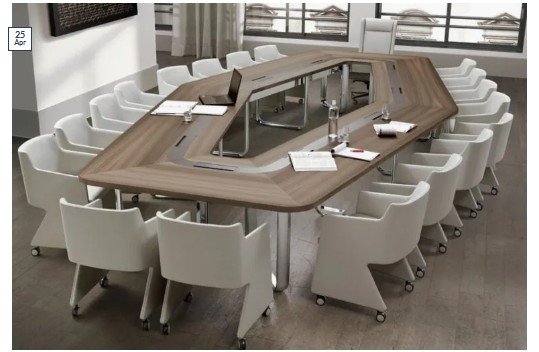
Conference rooms are central to collaboration in any business environment. The one element that plays a crucial role in setting the tone for productivity, communication, and brand identity is the conference table. A well-planned Conference Table Design is not just about choosing a large table and some chairs; it reflects the company’s culture, functionality requirements, and spatial limitations. In today’s corporate world, where impressions matter and team dynamics are constantly evolving, companies are looking beyond traditional wooden rectangles and embracing innovation in design. Whether it’s a startup aiming for flexibility or a multinational looking for an executive vibe, the table around which decisions are made must reflect those values. Every aspect—from material choice and size to technology integration—needs careful planning to create a space that is both aesthetically appealing and functionally superior.
Blending Aesthetics with Functionality in Conference Table Design
The blend of form and function is vital when selecting or customizing a conference table design. A beautifully crafted table that lacks functionality may become more of a liability than a center of productivity. For instance, a table that doesn’t support cable management or lacks integrated power outlets can hinder virtual meetings or technology-driven discussions. Similarly, a highly functional table that looks out of place in a creatively designed office can disrupt the brand’s image. Businesses today are opting for custom conference tables that match the interior design of their office space, offering cohesive aesthetics while ensuring that elements such as seating capacity, accessibility, ergonomics, and durability are not compromised. Material choices such as solid wood, glass, laminate, and even metal finishes are being chosen based on how well they reflect the brand and accommodate usage.
Technological Integration in Modern Conference Table Design
With the rise of hybrid work models, virtual conferencing tools, and smart office systems, technology integration has become a defining aspect of modern conference table design. Tables now come equipped with built-in power strips, HDMI ports, USB chargers, and even wireless charging docks. Cable management systems are concealed within the table structure to ensure a clean look. Some premium models integrate touch panels or voice-activated controls to manage lighting, temperature, or screen sharing tools. When designing a conference table for a forward-thinking business, it’s essential to consider these features to future-proof the space. A tech-savvy table not only improves workflow but also adds a wow factor for visiting clients or partners. Such enhancements turn the conference room into a dynamic environment where ideas flow seamlessly and technology works in harmony with the design.
Size and Shape: Tailoring Conference Table Design to Your Space
Size and shape are two crucial variables in any conference table design project. Not every room can accommodate a massive ten-seater boardroom-style table. Likewise, an undersized table in a large room may look unbalanced and underwhelming. Designers need to analyze the dimensions of the conference room, number of regular users, and the type of meetings conducted to determine the optimal size and shape. Common shapes include rectangular, boat-shaped, oval, round, and modular tables. Each offers unique benefits. Rectangular and boat-shaped tables are best for boardroom-style setups where leadership presence is visually defined. Round tables foster a sense of equality and encourage open dialogue. Modular tables are increasingly popular in modern workplaces for their flexibility; they can be rearranged into different layouts depending on the meeting style. Ensuring that each participant has sufficient personal space and a clear line of sight is essential for comfort and communication.
Customization and Branding through Conference Table Design
The conference room is often where clients, investors, and new team members get their first impression of a business. An effective Conference Table Design can communicate professionalism, innovation, and the company’s core values. Customization offers businesses the ability to reinforce their brand identity through the selection of materials, finishes, shapes, and even embedded branding elements. Tables can be laser-etched with logos or feature brand colors in subtle ways through materials like resin inlays or metal accents. Wood grain patterns, glossy laminates, or minimalist matte finishes can reflect different corporate personalities—classic, creative, tech-forward, or eco-conscious. Some companies also incorporate locally sourced or reclaimed materials to support sustainability efforts, making a statement about corporate responsibility. By customizing their conference table, organizations ensure that even their furniture speaks to their brand ethos.
Ergonomics and Comfort in Conference Table Design
While design, materials, and technology are crucial, comfort should never be overlooked in conference table design. Long meetings, strategy sessions, and collaborative discussions require furniture that doesn’t cause physical discomfort. The table height must match the chairs, legroom must be adequate, and surface spacing should ensure that everyone has personal space without feeling cramped. Chairs should complement the table in terms of style and ergonomic support. Rounded edges, anti-glare surfaces, and non-reflective finishes are additional considerations that enhance usability. For high-use spaces, finishes that resist stains, scratches, and smudges are essential. When comfort meets functionality in design, it leads to more productive and engaging meetings, minimizing distractions and physical strain for participants.
Sustainable Practices in Conference Table Design
Sustainability has become a priority for many companies, and this is influencing trends in Conference Table Design as well. Eco-friendly materials like FSC-certified wood, recycled metal, and low-emission laminates are being used more frequently. Water-based stains and adhesives, along with production methods that reduce carbon emissions, are gaining popularity in the furniture manufacturing industry. Designers are also creating tables that are modular or easy to disassemble and recycle at the end of their lifecycle. Not only does this appeal to environmentally conscious clients and stakeholders, but it also aligns with global green certification goals, like LEED compliance. As businesses continue to integrate sustainability into their core operations, it’s only logical that furniture design follows suit, making the conference table both a practical and responsible investment.
Final Thoughts on Investing in Quality Conference Table Design
In conclusion, conference table design is far more than a matter of office aesthetics—it is a crucial component of workspace planning that impacts employee comfort, collaboration, brand image, and technological integration. A thoughtfully designed table transforms a standard meeting room into a hub of innovation, productivity, and professionalism. By considering factors like room size, shape, usage patterns, tech needs, and corporate identity, businesses can create a conference area that truly enhances how teams work together. Whether opting for off-the-shelf solutions or custom creations, investing in the right Conference Table Design is an investment in better communication and a stronger brand presence. With so many innovative and sustainable options available, the modern workplace has every reason to treat this essential piece of furniture as a strategic asset, not just an afterthought.